
How Global Reggae Found a Local Pidgin Voice
In the late 1980s and early 1990s, a distinct musical shift occurred across Hawaiʻi. Local musicians began combining Jamaican reggae with slack-key guitar, the ʻukulele, and lyrics sung in Hawaiian Pidgin English. This combination created "Jawaiian" music.
Jawaiian is a combination of the words "Jamaican" and "Hawaiian." It quickly became the dominant popular sound on local radio stations and at backyard gatherings. What started as an isolated interest among local youth eventually became a recognizable, widespread genre.
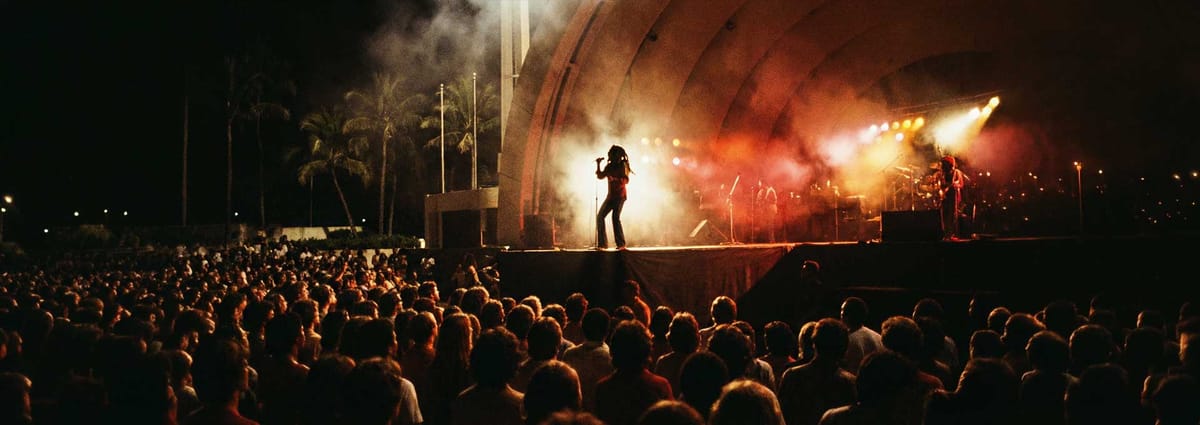
The primary event that initiated this shift was Bob Marley and the Wailers' live performance at the Waikiki Shell on May 6, 1979. This concert exposed a massive Hawaiian audience to the reggae sound. Within a few years, local musicians started producing their own localized versions of the music.
Shared Struggles and Island Rhythms
Reggae connected directly with audiences in Hawaiʻi because of shared historical realities between the islands and Jamaica. Both locations experienced the impacts of colonialism and the dominance of sugar plantation economies. Furthermore, both economies later transitioned into tourism-based systems that maintained similar class structures.
In Hawaiʻi, the Native Hawaiian sovereignty movement was actively resurging throughout the 1970s and 1980s. This movement focused on the illegal overthrow of Queen Liliʻuokalani in 1893 and the subsequent annexation. Reggae music explicitly addressed cultural pride, land loss, and resistance to oppression.
These topics aligned directly with the concerns of kānaka maoli who were working to restore cultural practices. The music provided a direct method to articulate these local issues. Local musicians adapted these themes specifically for Pacific Island communities.
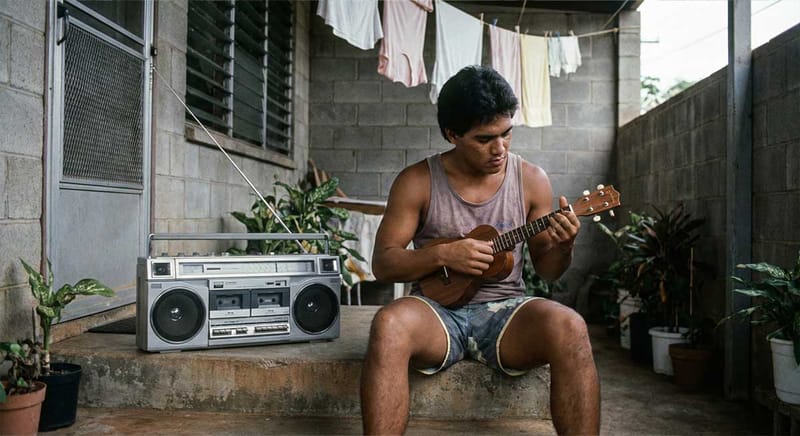
Early creators of the genre, like Brother Noland and Butch Helemano, established the initial foundations. Brother Noland mixed Hawaiian music with reggae beats in the Kalihi-Pālama housing projects, creating songs like "Coconut Girl." Butch Helemano also played a major role, with his 1989 track "Hui O He'e Nalu" integrating reggae with Hawaiian surf culture.
Claiming the Sound with Pidgin
What made Jawaiian music distinctly local was the deliberate choice of language. Instead of imitating Jamaican patois or singing only in standard English, Hawaiian artists performed in Pidgin. This language, formally known as Hawaiʻi Creole English, originated during the plantation era.
Pidgin developed from a mix of Hawaiian, English, Portuguese, Japanese, Chinese, and Filipino languages. It functions as a primary indicator of local identity and class solidarity. By singing in Pidgin, Jawaiian artists claimed the reggae sound as their own.
The language placed the music directly inside Hawaiʻi's working-class communities. The lyrics addressed everyday island life, including fishing, surfing, family gatherings, and the rising cost of living. A typical song might reference a pau hana gathering or a weekend lūʻau.
This made the global reggae rhythm directly relevant to the kamaʻāina experience. Musicians also incorporated the Hawaiian language itself into their tracks. They used ʻōlelo Hawaiʻi in choruses and verses alongside English and Pidgin.
This trilingual approach became a standard feature of the Jawaiian genre.
It allowed artists to express multiple cultural backgrounds simultaneously.
It normalized hearing ʻōlelo Hawaiʻi on mainstream commercial radio stations.
It provided an accessible entry point for younger generations to learn traditional vocabulary.
Appreciation or Appropriation
The rapid increase in Jawaiian music's popularity initiated debates regarding cultural representation. Some Hawaiian cultural purists questioned the adoption of Jamaican musical forms and aesthetics. They debated whether local youth growing dreadlocks and using Jamaican terms represented a loss of Hawaiian identity.
Academic researchers have analyzed this tension between "localness" and "indigeneity." Some argue that musicians incorporate traditional Hawaiian sounds specifically to make the imported reggae format sound more local. This process generated discussions about whether the fusion threatened the preservation of traditional Hawaiian culture or simply helped it evolve.
Geographic differences also existed within the state regarding these musical preferences. Audiences on Maui often maintained a strict preference for traditional roots reggae. They were frequently less interested in the modern, highly produced Jawaiian variations popular on Oʻahu.
From the Backyard to the Billboard Charts
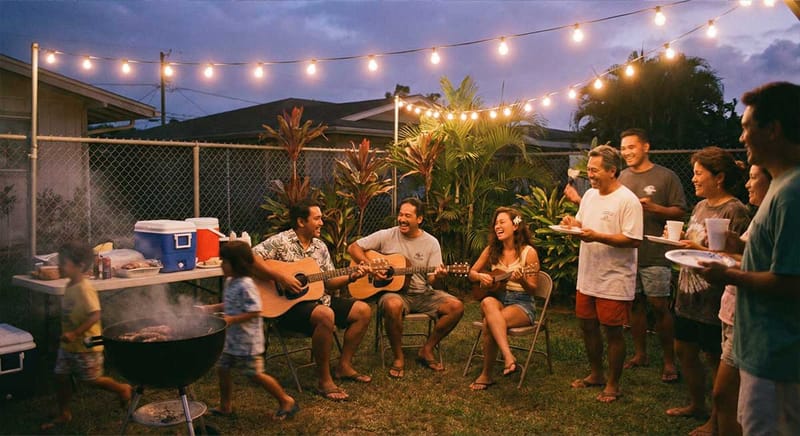
By the early 1990s, Jawaiian music dominated local radio airplay and live music venues. Commercial stations in Honolulu dedicated massive amounts of airtime to the genre. The music transitioned from an underground sound to mainstream acceptance at family barbecues and community events.
Groups like Hawaiian Style Band and Kapena won multiple Nā Hōkū Hanohano Awards during this era. Artists like Israel Kamakawiwoʻole also incorporated reggae beats into their work. His solo albums blended traditional Hawaiian elements with contemporary island music, explicitly advocating for cultural preservation.
As the decade progressed, the term "Jawaiian" transitioned into the broader category of "island reggae." A bridge generation of artists, including Fiji, O-Shen, Rebel Souljahz, and J Boog, expanded the sound. They maintained the Pidgin vocabulary while absorbing influences from R&B and mainstream pop.
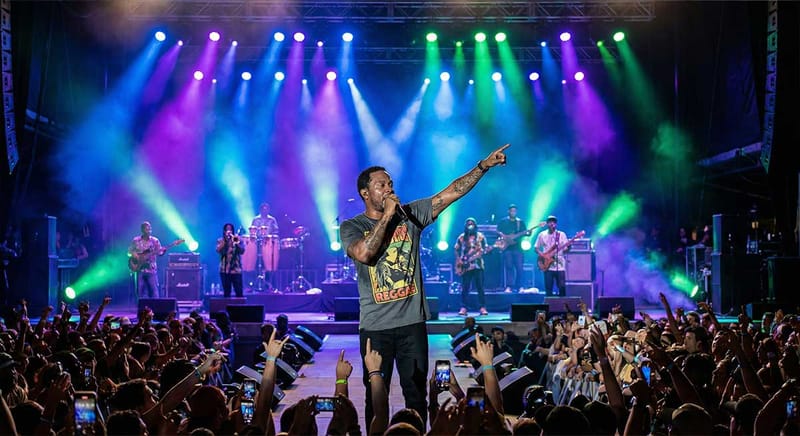
Today, the modern successors of this movement achieve significant commercial success on national charts. Bands formed in Hawaiʻi tour globally and generate hundreds of millions of streams.
Pepper: Originated in Kailua-Kona and developed a dub-rock style. They founded LAW Records to support other island artists and build a broader reggae-rock community.
Iration: Formed by musicians who grew up in Hawaiʻi. They fuse island reggae with rock and pop, resulting in multiple No. 1 Billboard Reggae albums and RIAA Gold certifications.
The Green: Formed on Oʻahu in 2009. They blend roots reggae with indigenous Hawaiian musical references, frequently opening for major acts like Bruno Mars.
Hana Hou
The progression from local housing projects to international touring circuits shows the exact impact of the Jawaiian movement. Local musicians took an international genre and successfully adapted it to their own environment. They achieved this primarily by utilizing their own languages and addressing their own social realities.
Singing in Pidgin and ʻōlelo Hawaiʻi ensured the music remained based in the local culture. It allowed island residents to hear their own voices and daily experiences reflected on the radio. This ongoing utilization of the local voice continues to preserve Hawaiʻi's distinct cultural identity for future generations.
Original archival photos courtesy of the Library of Congress. Colorized and enhanced.